
VPro Benzene gas sensor applications: Hazardous waste and Hazmat
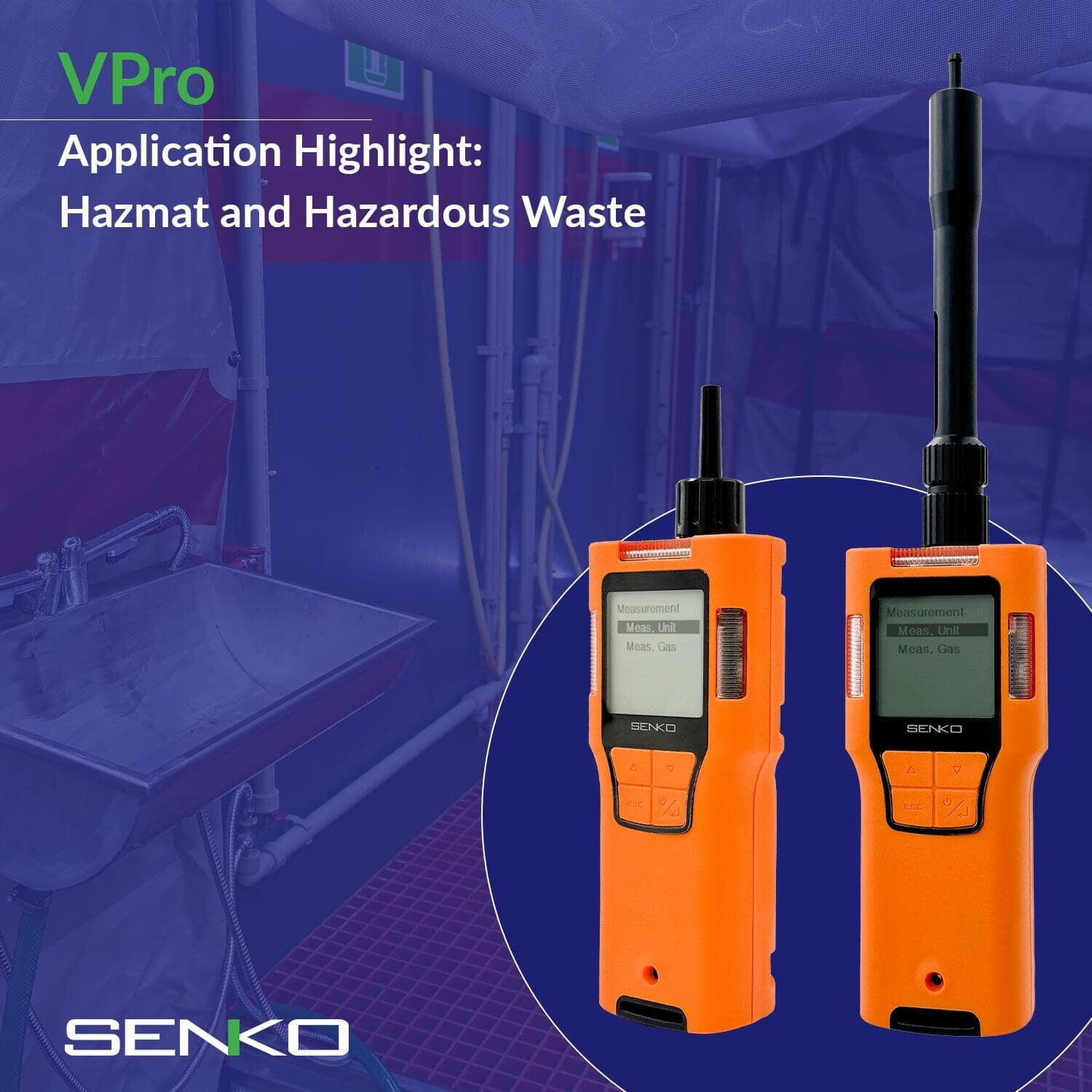
Workers dealing with hazardous waste or hazardous spills are unique in that each day can bring a different type or concentration of gas hazard to be encountered. Benzene is one of the more exotic gases encountered by these teams but should not be underestimated for its dangers. So understanding the dangers and implementing regular checks with a Benzene gas sensor is vital.
When is a Benzene gas sensor needed in this application?
Benzene can be found in a wide range of everyday materials and is also used for industrial purposes. Benzene is part of the natural make-up of crude oil, which is used in fuels for cars and jets, along with being processed to make plastics and synthetic materials. Benzene can also be added as an additional chemical as part of the makeup of some products, such as petroleum jellys, fertilisers and pesticides. Each of these industries will therefore be producing an enormous amount of waste containing levels of Benzene, so those managing the waste will need to be aware of the hazards.
These workplaces processing and using these materials can also be prone to accidents and spillages beyond the control of the staff. This is where hazmat teams come in. Hazmat teams will need help in understanding the material spilled and the dangers that come with it in order to safely and effectively clean the spill and remove any residuals. So, once the material has been identified, hazmat teams will employ benzene gas sensors to understand the level of danger and therefore employ the right equipment to manage and clean the spillage.
Why do these teams need a Benzene Gas Sensor?
Benzene is one of the most dangerous VOC gases to encounter in the workplace.
Short-term exposure to benzene gas causes throat and lung irritation, with high-level exposure potentially causing lung swelling and a buildup of fluid. Shortly following exposure to Benzene, issues such as convulsions, problems with your heart and lungs, and even entering a coma can occur.
Long-term exposure to Benzene can leave lasting effects, causing a variety of diseases. Cancer is one of the most dangerous yet common side effects of long-term benzene exposure. Other issues such as a decrease in white blood cells and permanent DNA damage can also occur.
Benzene has a TWA of just 1ppm and no listed STEL (EH40 UK). It is categorised as a 1A level carcinogen, so exposure should be reduced as much as possible within the workplace.
Implementing the VPro Benzene gas sensor into hazardous waste applications
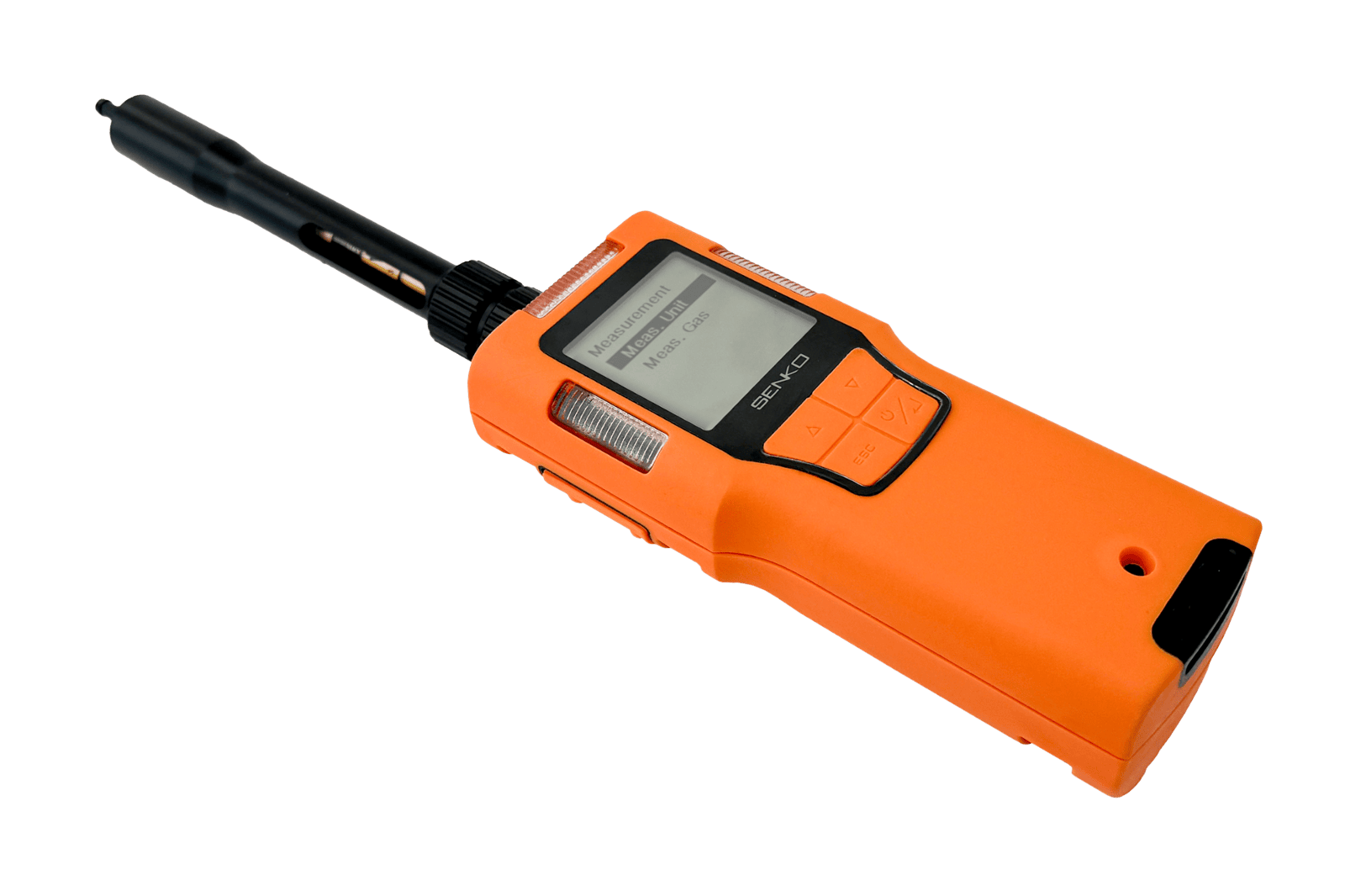
The VPro Benzene gas sensor can help with the reduction of Benzene levels by providing an accurate understanding of the hazards within the workplace, helping teams to implement reduction measures or alternative solutions where necessary. This device contains a pre-filtering tube, wiping all other potential cross-interfering VOCs from the measurement, ensuring an accurate reading.
The VPro Benzene gas sensor comes with a full kit of accessories and spares, making simple maintenance tasks and tube changing for your device much smoother and quicker. This package of the unit and accessories/spares also means that the long-term cost of ownership is significantly reduced, as you have everything you need from the moment the device arrives.
Ideal for use across multiple sites or long days of continual detection, the VPro Benzene gas sensor comes with a 60-hour battery life. The VPro Benzene gas sensor is also capable of wireless communication, allowing for easy, instantaneous data reviewing and downloading whilst on site.
Find out more
Find out more about the VPro benzene monitor on our product page.
If you are part of our Senko Europe partner network, more information on the VPro can be found on your partner portal. Get in touch if you need a log in.